Be yourself; Everyone else is already taken.
— Oscar Wilde.
This is the first post on my new blog. I’m just getting this new blog going, so stay tuned for more. Subscribe below to get notified when I post new updates.
Be yourself; Everyone else is already taken.
— Oscar Wilde.
This is the first post on my new blog. I’m just getting this new blog going, so stay tuned for more. Subscribe below to get notified when I post new updates.
There are more than 42.5 million small businesses in India.When you consider some of the most popular reasons to start a business, including having a unique business idea, designing a career that has the flexibility to grow with you, working toward financial independence, and investing in yourself — it’s no wonder that small businesses are everywhere.But not every small business is positioned for success. In fact, only about two-thirds of businesses with employees survive at least two years, and about half survive five years. So you may be in for a real challenge when you decide to take the plunge, ditch your day job, and become a business owner.
Starting a small business is without a doubt a large undertaking, but it is fortunately something that can be attained by anybody with a good idea, a strong work ethic, and a good set of resources. Starting a business involves thinking of a business concept, writing a business plan, understanding the financial side, and finally marketing and launching.
The stage is often set in the beginning, so making sure you follow all of the necessary steps when starting your business can set the foundation for success.
Here are some steps that are required to start a business successfully. Take one step at a time, and you’ll be on your way to successful small business ownership.

Will you do this alone, or will you bring in one or two trusted friends to join you? This brings a lot of synergy to the table, as people bounce ideas off each other. Two people together can often create something that is greater than the sum of the two separate parts.

It might be a product you’ve always wanted to make, or a service you feel people need. It might even be something people don’t know they need yet, because it hasn’t been invented!
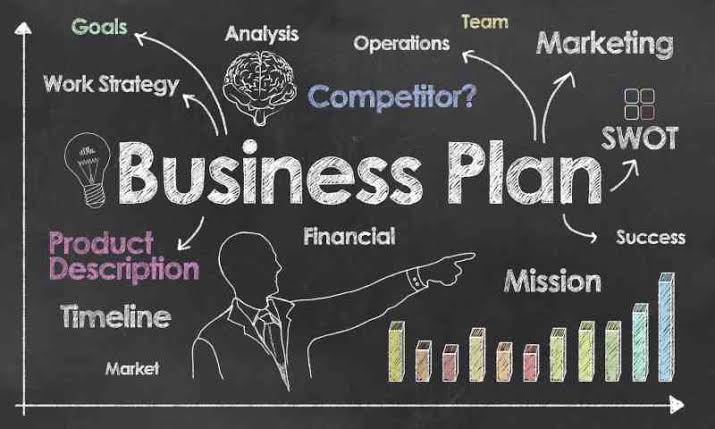
You need a plan in order to make your business idea a reality. A business plan is a blueprint that will guide your business from the start-up phase through establishment and eventually business growth, and it is a must-have for all new businesses.
The good news is that there are different types of business plans for different types of businesses.
If you intend to seek financial support from an investor or financial institution, a traditional business plan is a must. This type of business plan is generally long and thorough and has a common set of sections that investors and banks look for when they are validating your idea

The financial statements translate your marketing and operational plans into numbers — profits and cash flow. They identify how much money you will need and how much you might make. Since this is the most dynamic part of your plan, and perhaps the most important for long-term stability, you should update this monthly for the first year, quarterly for the second year, and then annually after that.

Paperwork is a part of the process when you start your own business.
There are a variety of small business licenses and permit that may apply to your situation, depending on the type of business you are starting and where you are located. You will need to research what licenses and permits apply to your business during the start-up process.

Setting up your place of business is important for the operation of your business, whether you will have a home office, a shared or private office space, or a retail location.
You will need to think about your location, equipment, and overall setup, and make sure your business location works for the type of business you will be doing. You will also need to consider if it makes more sense to buy or lease your commercial space.

If you’re selling online, get your ecommerce in gear and either build a website, or have one built for you. It’s your storefront, so anything and everything you can do to make people want to visit, and want to stay, do it.
This is an example post, originally published as part of Blogging University. Enroll in one of our ten programs, and start your blog right.
You’re going to publish a post today. Don’t worry about how your blog looks. Don’t worry if you haven’t given it a name yet, or you’re feeling overwhelmed. Just click the “New Post” button, and tell us why you’re here.
Why do this?
The post can be short or long, a personal intro to your life or a bloggy mission statement, a manifesto for the future or a simple outline of your the types of things you hope to publish.
To help you get started, here are a few questions:
You’re not locked into any of this; one of the wonderful things about blogs is how they constantly evolve as we learn, grow, and interact with one another — but it’s good to know where and why you started, and articulating your goals may just give you a few other post ideas.
Can’t think how to get started? Just write the first thing that pops into your head. Anne Lamott, author of a book on writing we love, says that you need to give yourself permission to write a “crappy first draft”. Anne makes a great point — just start writing, and worry about editing it later.
When you’re ready to publish, give your post three to five tags that describe your blog’s focus — writing, photography, fiction, parenting, food, cars, movies, sports, whatever. These tags will help others who care about your topics find you in the Reader. Make sure one of the tags is “zerotohero,” so other new bloggers can find you, too.

 Small business